"What makes speciality arabica from Ethiopia unique is the 'Garden Coffee' production system. Unlike large plantations, our coffee is harvested from small family plots where trees grow under natural shade canopies, allowing the cherries to ripen slowly and develop intense floral and citrus precursors."
Regional Flavor Profiles
Explore Our Ethiopian Speciality Arabica Collection
What Single-Origin Lots Are Available?
The Speciality Arabica catalogue lists Q-graded Ethiopian green coffee lots organised by region, altitude, and processing method. Buyers can compare washed, natural, honey, and anaerobic lots from Yirgacheffe, Sidama, Guji, Harrar, and Limu before requesting samples, offer sheets, or FOB Djibouti pricing.
| Region | Processing | Tasting Notes | Altitude |
|---|---|---|---|
| Yirgacheffe | Washed | Jasmine, Lemon, Bergamot | 1,700 - 2,200m |
| Sidama | Natural | Berry-like, Creamy, Cocoa | 1,500 - 2,100m |
| Guji | Honey/Anaerobic | Strawberry, Dark Chocolate | 1,800 - 2,100m |
| Harrar | Sun-Dried | Wild Mocha, Blueberry, Earthy | 1,400 - 2,000m |
Available Coffees
Yirgacheffe Coffees
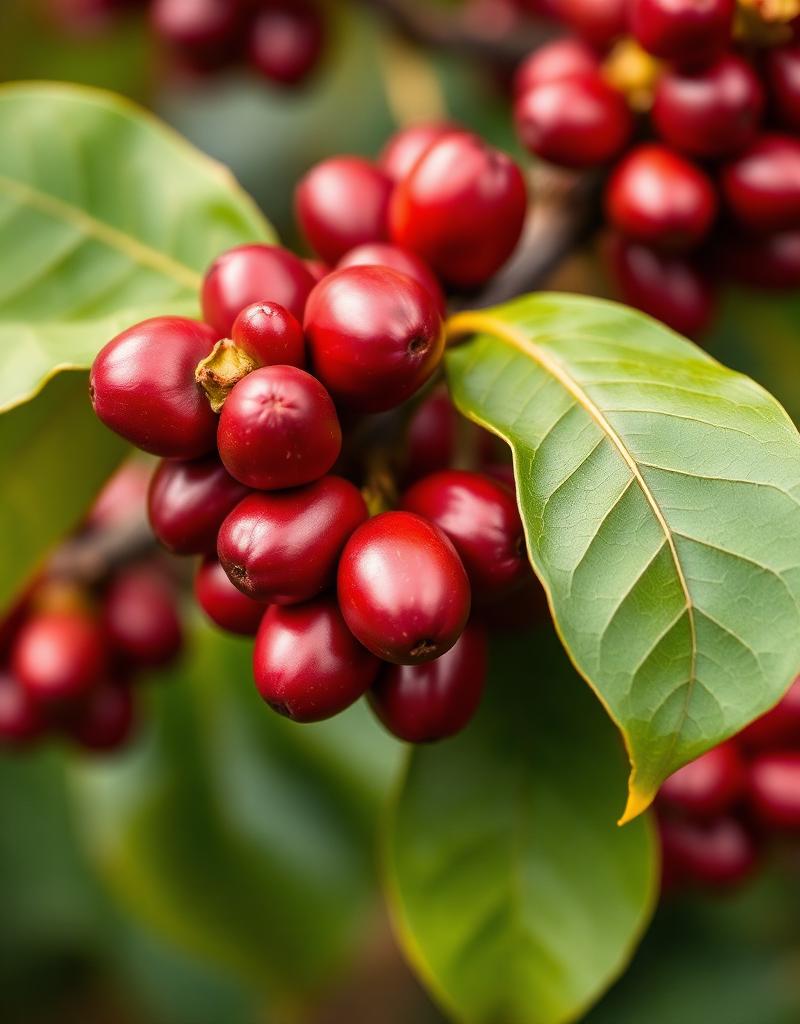
Yirgacheffe Grade 1 Washed
Cupping Notes: Bergamot, lemon zest, jasmine, honey sweetness
Altitude
1,900-2,100m
Process
Washed
Acidity
Bright
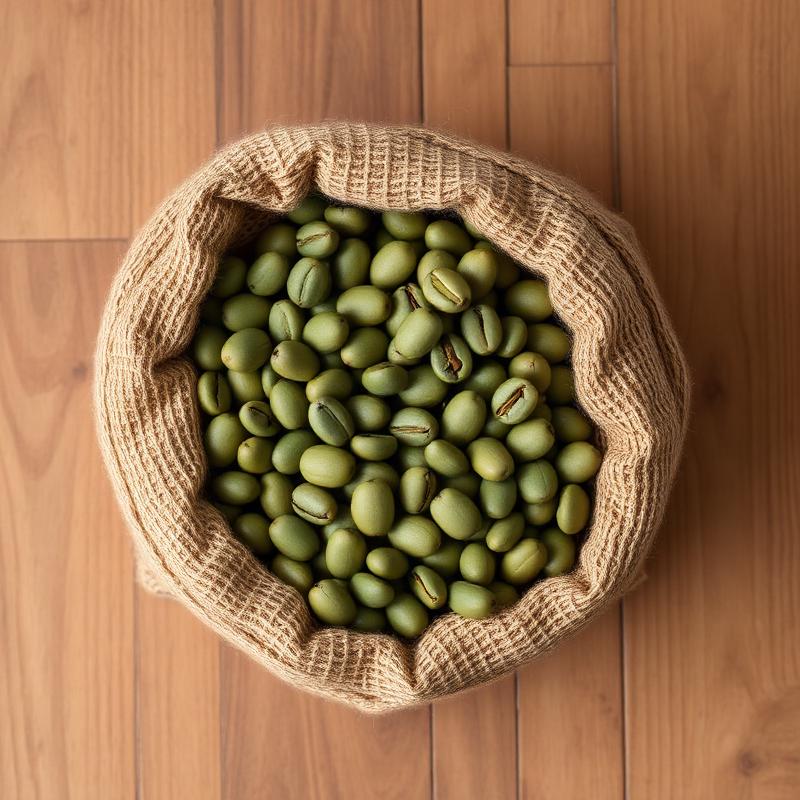
Yirgacheffe Natural
Cupping Notes: Blueberry jam, wine, dark chocolate, floral
Altitude
1,850-2,000m
Process
Natural
Acidity
Medium
Sidama Coffees
Sidama Grade 2 Washed
Cupping Notes: Peach, apricot, caramel, mild citrus
Altitude
1,700-1,900m
Process
Washed
Acidity
Medium
Sidama Bensa Natural
Cupping Notes: Mixed berries, chocolate, tropical notes
Altitude
1,800-2,100m
Process
Natural
Acidity
Medium
Guji Coffees
Guji Hambela Natural
Cupping Notes: Strawberry, tropical fruit, honey, florals
Altitude
2,000-2,300m
Process
Natural
Acidity
Bright
Guji Uraga Washed
Cupping Notes: Stone fruit, jasmine, black tea, citrus
Altitude
1,950-2,200m
Process
Washed
Acidity
Bright
Harrar Coffees
Harrar Grade 4 Natural
Cupping Notes: Blueberry, wine, spice, wild fruit, earthy
Altitude
1,500-2,000m
Process
Natural
Acidity
Low-Medium
Limu Coffees
Limu•Grade 2
Limu Washed
Cupping Notes: Balanced, mild fruit, wine notes, spice
Altitude
1,600-1,900m
Process
Washed
Acidity
Medium
The Varietals Behind These Lots
Most Ethiopian offer sheets stop at "heirloom." Where washing-station records support it, our lot documentation goes further: the JARC selections 74110 and 74112 — the disease-resistant cultivars that dominate the best Yirgacheffe and Gedeb gardens — and the farmer-named landraces Kurume, Dega, and Wolisho that give mixed smallholder lots their layered complexity. Varietal identity affects bean size, screen distribution, and cup character, and it is increasingly what separates a documented specialty lot from a commodity one.
If you are building a menu around varietal stories, tell us — we can shortlist current-crop lots where the washing station has documented tree stock, and supply that documentation with the contract. Read more about what "heirloom" really means in Ethiopia.
What You Receive With Every Lot
Every contracted lot ships with a documentation pack designed to answer your QC team's and your import authority's questions before they are asked:
- •Current-crop Q-grade certificate — SCA cupping score from a licensed Q grader for this harvest, not last year's.
- •Moisture reading at container stuffing — recorded at 9–12%, measured when it matters, not only at milling.
- •Washing-station traceability — station name, zone, altitude band, reception dates, and processing method for every lot sourced through our direct channel.
- •Geolocation data where required — plot-level coordinates supporting EUDR files for EU buyers and certification audits.
- •Varietal notes — documented tree stock where records exist, honestly marked "mixed garden stock" where they do not.
- •Full export document set — certificate of origin, phytosanitary, ICO certificate, weight note, and packing list, drafts shared before sailing. See how your container travels.
Custom Sourcing Available
Don't see exactly what you're looking for? We work with a network of washing stations and cooperatives to source specific profiles and volumes for your needs.
Contact our Ethiopian coffee sourcing team →Request Samples or an Offer Sheet
Tell us your target profile and volume — our Addis Ababa export desk replies within 24–48 hours with current lots, Q-grade certificates, and FOB/CIF pricing.